
Natural wellness isn’t a fad anymore it’s a mindset. More people are paying attention to what they put into their bodies, how it makes them feel, and whether it supports long-term health rather than quick fixes. In that shift, one quiet category is stepping into the spotlight: herbal tea.
Once seen as something you drank only when you were sick or trying to relax at night, herbal teas are now becoming a daily ritual for people focused on clean living, balance, and preventative wellness. And the reasons go far beyond taste.
A Move Away From Stimulants
For years, wellness culture revolved around energy, more caffeine, stronger coffee, pre-workouts, and quick boosts. But that pendulum is swinging back. Many people are realizing that constant stimulation comes at a cost: poor sleep, anxiety, digestive issues, and energy crashes.
Herbal teas offer an alternative. Most are naturally caffeine-free, allowing people to hydrate, warm up, or unwind without taxing the nervous system. Instead of pushing the body harder, herbal teas support it gently, something modern wellness consumers are actively seeking.
Function Without the Hype
Unlike many wellness trends that rely on flashy marketing or exotic superfood blends, herbal teas are rooted in centuries of traditional use. Ingredients like ginger, turmeric, hibiscus, valerian root, and soursop leaves have long histories tied to digestion, relaxation, circulation, and overall balance.
What’s changing now is how people use them. Instead of drinking tea only for enjoyment, consumers are choosing specific herbs with intention, morning teas for clarity, afternoon teas for digestion, and evening teas to help slow things down. Wellness is becoming practical, not performative.
Clean Labels Matter More Than Ever
Today’s consumers read labels. They question additives. They want to know where ingredients come from and how they’re processed. Herbal teas fit naturally into this demand for transparency.
A simple herbal tea often contains one ingredient (or just a few) without sweeteners, artificial flavors, or preservatives. That simplicity is powerful. It aligns perfectly with the broader movement toward whole foods, minimal processing, and products people can actually understand.
Hydration With Purpose
Hydration is another major driver behind the rise of herbal teas. People know they need to drink more water, but plain water can get boring. Sugary drinks, on the other hand, no longer fit wellness goals.
Herbal teas bridge that gap. Served hot or cold, they add flavor and function without added sugar. A chilled hibiscus tea, for example, can feel refreshing and indulgent while still supporting hydration and antioxidant intake. It’s wellness without compromise.
Ritual in a Fast World
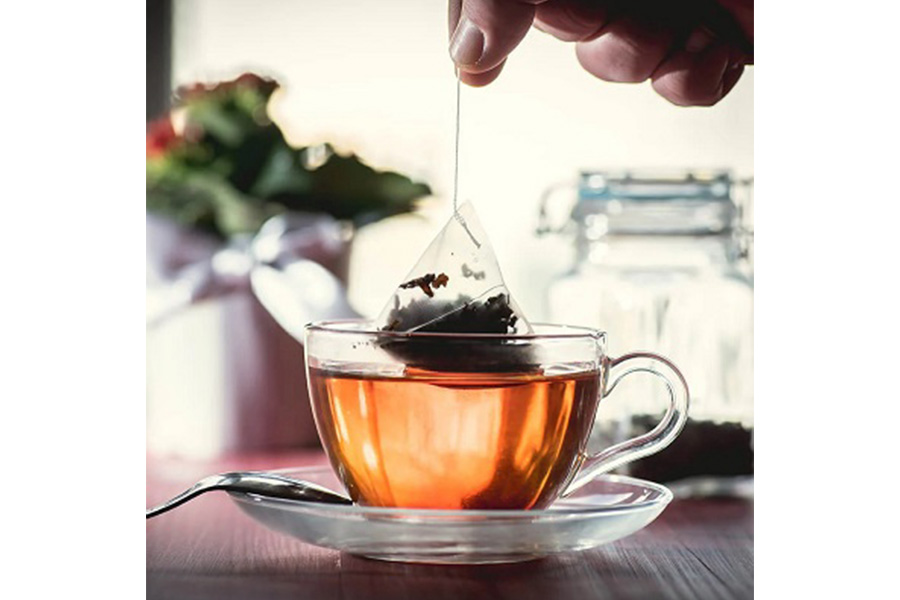
One overlooked reason herbal teas are gaining popularity is emotional. In a world that moves fast, tea invites people to slow down. Brewing a cup becomes a small ritual, measuring leaves, steeping, waiting, sipping.
Wellness today isn’t just about nutrients; it’s about stress reduction, mindfulness, and daily habits that create calm. Herbal tea fits seamlessly into that lifestyle. It’s accessible, affordable, and grounding.
A Trend Built to Last
Many wellness trends burn bright and fade quickly. Herbal tea is different because it isn’t new, it’s being rediscovered. As people move away from extremes and toward sustainable health choices, herbal teas offer something rare: tradition, function, and simplicity in one cup.
That’s why herbal teas aren’t just trending, they’re becoming a staple in modern natural wellness. Learn More at Burtons Best